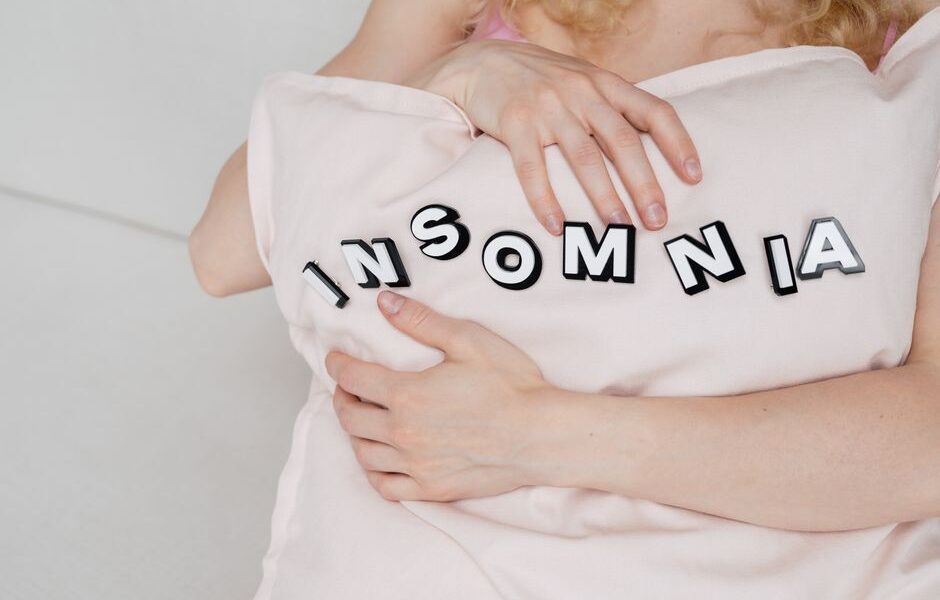
You know the feeling. You climb into bed exhausted, but the moment your head hits the pillow, your brain decides it’s the perfect time to replay every awkward conversation you’ve had since 2012. Your heart rate picks up. You check the clock — 1:47 a.m. — and now you’re anxious about not sleeping and anxious about everything else. By morning, you’re wrecked, and the day ahead feels like a mountain. This isn’t a coincidence. The sleep anxiety connection is one of the most well-documented — and most underestimated — cycles in mental health.
Why the Sleep Anxiety Connection Is Getting So Much Attention in 2025
Mental health awareness has surged in recent years, but 2025 has brought something new to the conversation: a growing body of neuroscience research showing that sleep deprivation doesn’t just coexist with anxiety — it actively causes it. A landmark study from the University of California, Berkeley found that a single night of poor sleep can increase anxiety levels by up to 30%. That’s not a typo.
At the same time, we’re sleeping less than ever. The American Academy of Sleep Medicine reports that nearly 40% of U.S. adults get fewer than seven hours of sleep per night, and global screen time continues to climb. Add economic uncertainty, doomscrolling, and the always-on culture of remote work, and you have a perfect storm for the sleep-anxiety feedback loop.
Understanding the sleep anxiety connection isn’t just academic — it’s urgent. And the good news is that breaking the cycle is more achievable than most people think.
The Science: What Happens in Your Brain When You Don’t Sleep
To understand why poor sleep amplifies anxiety, you need to understand two key brain regions: the amygdala and the prefrontal cortex.
The Amygdala Goes Into Overdrive
The amygdala is your brain’s threat-detection center. When you’re well-rested, it works in proportion — flagging genuine dangers and letting the small stuff slide. But research published in The Journal of Neuroscience shows that after sleep deprivation, amygdala reactivity increases by roughly 60%. In plain language: everything feels more threatening when you’re tired. A slightly terse email from your boss that you’d normally shrug off suddenly feels like a sign you’re about to be fired.
The Prefrontal Cortex Goes Offline
Meanwhile, the prefrontal cortex — the rational, planning, “let’s think this through” part of your brain — becomes significantly less active after poor sleep. This is the region that normally puts the brakes on the amygdala’s alarm bells. Without it functioning properly, you lose your ability to put worries in perspective. The result? Heightened emotional reactivity with reduced capacity to manage it. That’s not a character flaw. That’s neurobiology.
The Vicious Cycle: How Anxiety Ruins Sleep (and Vice Versa)
Here’s where things get especially frustrating. Anxiety doesn’t just result from poor sleep — it also causes poor sleep. This bidirectional relationship creates a cycle that can feel impossible to escape.
“Sleep and anxiety have a bidirectional relationship. Poor sleep increases vulnerability to anxiety, and anxiety disrupts the very sleep architecture needed for emotional regulation.” — Dr. Matthew Walker, neuroscientist and author of Why We Sleep
Consider a real-world example. Sarah, a 34-year-old marketing manager, started losing sleep after taking on a high-pressure project at work. The first few nights of tossing and turning left her irritable and on edge. Within a week, she noticed her heart racing during routine meetings. Within a month, she was experiencing full-blown anticipatory anxiety about bedtime itself — a phenomenon clinicians call conditioned arousal. Her bed had become a trigger.
This pattern is incredibly common. The cycle typically follows a predictable path:
- A stressor disrupts sleep — a deadline, a health scare, a life transition.
- Sleep loss heightens emotional reactivity, making the stressor feel worse.
- Increased anxiety creates hyperarousal at bedtime, making sleep even harder.
- The bedroom becomes associated with stress, reinforcing the pattern.
- Chronic sleep deprivation sets in, increasing vulnerability to anxiety disorders.
If you recognize yourself in this list, you’re not broken. You’re caught in a well-understood neurobiological loop — and there are proven ways out.
What the Research Says About Breaking the Cycle
The most effective treatment for the sleep anxiety connection isn’t a sleeping pill. It’s a specific form of therapy called CBT for Insomnia (CBT-I), which the American College of Physicians recommends as the first-line treatment for chronic insomnia — ahead of medication.
Why CBT-I Works
CBT-I targets the thoughts and behaviors that perpetuate the sleep-anxiety cycle. Unlike medication, which masks symptoms, CBT-I rewires the underlying patterns. It typically includes sleep restriction therapy (counterintuitively spending less time in bed to build stronger sleep drive), stimulus control (re-associating the bed with sleep rather than worry), and cognitive restructuring (challenging catastrophic thoughts about sleeplessness).
A meta-analysis published in Annals of Internal Medicine found that CBT-I produces improvements in sleep quality that last well beyond the end of treatment — something sleeping pills simply cannot claim. Even better, studies show that when sleep improves, anxiety symptoms often decrease in tandem, even without directly targeting the anxiety.
How Cognitive Restructuring Helps at 3 a.m.
One of the most powerful components of CBT-I is learning to challenge the anxious thoughts that hijack your nights. For example, the thought “If I don’t fall asleep in the next 20 minutes, tomorrow will be a disaster” creates enormous pressure — which, ironically, makes sleep harder. Cognitive restructuring teaches you to replace that with something more accurate: “I’ve functioned on poor sleep before. One rough night is uncomfortable, not catastrophic.” This subtle shift reduces the stakes, which reduces the arousal, which — often — lets sleep come naturally.
If you’d like to practice cognitive restructuring techniques on your own, our free AI CBT Assistant can walk you through the process step by step, any time of day or night.
Practical Strategies to Improve Sleep and Reduce Anxiety
Beyond formal CBT-I, there are several evidence-backed strategies you can start implementing tonight. None of them require a prescription, and all of them work with — rather than against — your body’s natural sleep mechanisms.
- Maintain a consistent wake time. This is more important than your bedtime. Waking at the same time every day (yes, weekends too) anchors your circadian rhythm and builds consistent sleep pressure.
- Create a “worry window.” Set aside 15 minutes in the early evening to write down your concerns. When worries surface at bedtime, remind yourself: “I’ve already addressed this. It can wait until tomorrow’s window.”
- Limit screen exposure 60 minutes before bed. Blue light suppresses melatonin production, but the bigger issue is content — news, social media, and work emails activate your threat-detection system right when you need it to wind down.
- Keep the bedroom cool, dark, and boring. Ideal sleep temperature is between 60–67°F (15–19°C). Remove TVs and work materials. Your bed should cue two things: sleep and intimacy. Nothing else.
- Try the 4-7-8 breathing technique. Inhale for 4 seconds, hold for 7, exhale for 8. This activates the parasympathetic nervous system and signals to your body that you’re safe.
- Get morning sunlight. Ten to fifteen minutes of natural light within an hour of waking helps regulate cortisol and melatonin rhythms — two hormones directly involved in both sleep and anxiety.
Quick Takeaways: What to Remember
If you take nothing else from this article, keep these key points in mind:
- The sleep anxiety connection is bidirectional — each condition fuels the other, creating a cycle that worsens over time if left unaddressed.
- Sleep deprivation increases amygdala reactivity by up to 60% while suppressing the prefrontal cortex’s ability to regulate emotions.
- CBT-I is the gold-standard treatment for insomnia and has been shown to reduce anxiety symptoms as a secondary benefit.
- You don’t need to overhaul your entire life. Small, consistent changes — like a fixed wake time and a worry window — can produce meaningful results within weeks.
- Medication can be a helpful short-term bridge, but it should not be the only strategy. Behavioral changes create lasting improvement.
You Deserve Rest — And It’s Within Reach
If you’ve been trapped in the sleep-anxiety cycle, please hear this: it’s not a personal failing. Your brain is doing exactly what brains do when they’re under-rested and over-stimulated. The patterns feel permanent, but they’re not. Decades of research confirm that with the right strategies — many of them surprisingly simple — you can reclaim both your nights and your peace of mind.
Start small. Pick one strategy from the list above and commit to it for two weeks. Track how you feel. Build from there. Recovery from the sleep-anxiety loop isn’t linear, but it is absolutely possible.
Ready to take the next step? Try our free AI CBT Assistant for personalized anxiety support — available 24/7.
⚠️ Disclaimer: This article is for educational purposes only and does not replace professional mental health diagnosis or treatment. If you’re experiencing severe anxiety, please consult a qualified mental health professional.

Leave a Reply