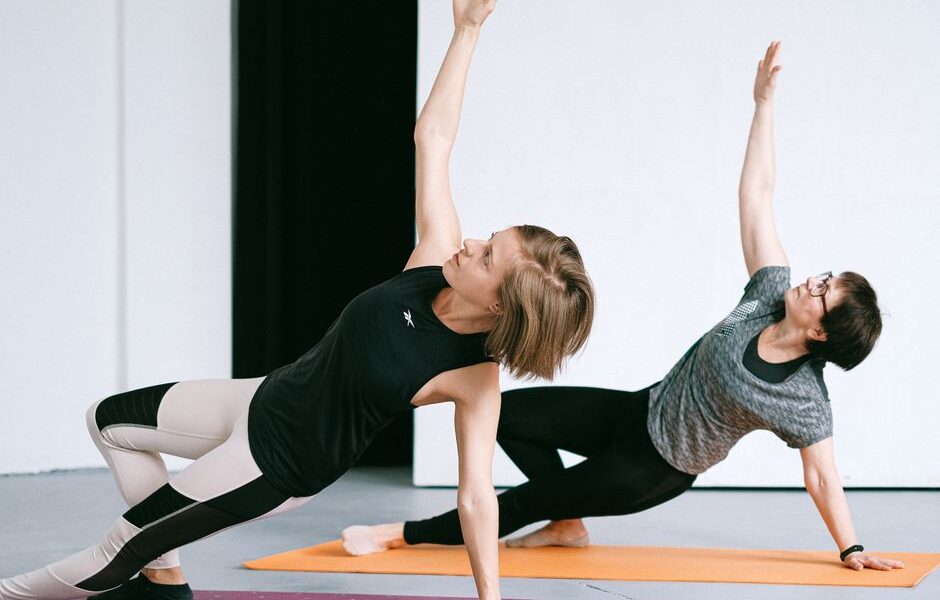
You’ve probably heard it before — someone telling you to “just go for a walk” when you’re anxious. And if you’re anything like the millions of people navigating anxiety in 2025, that advice probably felt dismissive. But here’s the thing: the science behind exercise for anxiety is remarkably compelling, and it goes far deeper than simple distraction. Researchers are now uncovering exactly how and why physical movement rewires anxious brains — and the findings are changing how clinicians approach treatment.
This isn’t about becoming a marathon runner or grinding through brutal gym sessions. It’s about understanding what happens inside your body when you move, and learning how to use that knowledge to feel calmer, steadier, and more in control of your mind.
Why Exercise for Anxiety Is Getting So Much Attention in 2025
Anxiety disorders remain the most common mental health condition worldwide, affecting over 301 million people according to the World Health Organization. In 2025, rising costs of therapy, long waitlists for mental health professionals, and growing interest in holistic wellness have driven people to seek accessible, evidence-based solutions they can start immediately.
Exercise sits at the intersection of all three needs. It’s free, it’s available right now, and decades of research back its effectiveness. A landmark 2023 meta-analysis published in the British Journal of Sports Medicine found that physical activity was 1.5 times more effective than counseling or leading medications for reducing symptoms of depression, anxiety, and psychological distress. That study made headlines — and the conversation hasn’t slowed down since.
What Happens in Your Brain When You Exercise
To understand why exercise works for anxiety, you need to understand what anxiety does to your brain in the first place. When you’re anxious, your amygdala — the brain’s threat-detection center — goes into overdrive. It floods your system with stress hormones like cortisol and adrenaline, triggering the classic fight-or-flight response even when there’s no actual danger present.
The Neurochemical Shift
Exercise directly interrupts this cycle. When you engage in physical activity, your brain releases a cocktail of neurochemicals that counteract the anxiety response. Endorphins — your body’s natural painkillers — create a sense of well-being. Serotonin levels increase, improving mood regulation. GABA (gamma-aminobutyric acid), the same neurotransmitter targeted by anti-anxiety medications like benzodiazepines, also rises with regular exercise.
In other words, your body already produces the chemistry it needs to fight anxiety. Exercise is the trigger that activates it.
The Prefrontal Cortex Connection
There’s another critical mechanism at work. Exercise strengthens the prefrontal cortex — the part of your brain responsible for rational thinking, decision-making, and emotional regulation. A stronger prefrontal cortex means you’re better equipped to override the amygdala’s false alarms. Over time, this doesn’t just manage anxiety symptoms; it actually changes the brain’s structural response to stress.
“Exercise is the most transformative thing you can do for your brain today. It has immediate effects on mood, attention, and stress reactivity — and long-term protective effects on brain structure.” — Dr. Wendy Suzuki, neuroscientist and author of Good Anxiety
Which Types of Exercise Are Best for Anxiety?
One of the most common barriers people face is not knowing where to start. The good news is that research shows a wide variety of exercise types can reduce anxiety. You don’t have to pick the “perfect” workout — you have to pick one you’ll actually do.
- Aerobic exercise (running, cycling, swimming, brisk walking): The most heavily studied form. Even 20-30 minutes of moderate aerobic activity can reduce anxiety sensitivity for several hours afterward.
- Yoga and mindful movement: A 2022 study in JAMA Psychiatry found that Kundalini yoga was significantly more effective than standard stress education for generalized anxiety disorder. The combination of breath work, movement, and mindfulness makes yoga uniquely effective.
- Resistance training (weight lifting, bodyweight exercises): A meta-analysis in Sports Medicine found that resistance training significantly reduced anxiety symptoms across 16 randomized controlled trials — even in people who didn’t have a clinical diagnosis.
- Walking in nature: Research from Stanford University showed that a 90-minute walk in a natural setting reduced activity in the subgenual prefrontal cortex, a brain region associated with rumination — that repetitive, anxious thinking loop many people struggle with.
The pattern is clear: movement itself is the medicine. The specific type matters less than consistency.
How Much Exercise Do You Actually Need?
This is where things get encouraging. You don’t need hours at the gym to experience anxiety relief. Research consistently shows benefits at surprisingly low thresholds.
- Acute relief: A single 20-minute session of moderate-intensity exercise can reduce state anxiety (how anxious you feel right now) for up to several hours.
- Short-term benefits: Exercising 3-5 times per week for as little as 6 weeks produces measurable reductions in trait anxiety (your baseline tendency to feel anxious).
- Long-term protection: Consistent physical activity over months and years is associated with lower rates of developing anxiety disorders in the first place.
The current guidelines from the American Psychological Association suggest 150 minutes of moderate exercise per week — roughly 30 minutes, five days a week. But even falling short of that target still offers real benefits. Ten minutes of movement is infinitely better than zero.
Real-Life Scenarios: What This Looks Like in Practice
Let’s make this concrete. Consider Sarah, a 34-year-old project manager who experiences persistent worry about work performance. Traditional talk therapy helped her identify cognitive distortions, but she still felt physically tense and mentally restless most evenings.
Her therapist suggested adding a 25-minute morning jog three times a week. Within four weeks, Sarah noticed she wasn’t clenching her jaw as often. Her sleep improved. She described feeling like she had a “longer fuse” — more space between a stressful trigger and her emotional reaction. That space is exactly what exercise provides: a wider window for your prefrontal cortex to step in before the amygdala takes over.
Or consider Marcus, a college student dealing with social anxiety. The gym felt intimidating, so he started with evening walks while listening to podcasts. Over time, he added bodyweight exercises at home using a free YouTube program. The physical confidence he built — feeling stronger, sleeping better, having more energy — gradually translated into social confidence as well.
Combining Exercise with CBT
Exercise becomes even more powerful when paired with cognitive behavioral therapy (CBT) techniques. CBT teaches you to identify and challenge anxious thought patterns, while exercise addresses the physiological side of anxiety. Together, they create a comprehensive approach — you’re training both your mind and your body to respond differently to stress.
If you’re curious about applying CBT principles to your own anxiety, our free AI CBT Assistant at cognitivebehavioraltherapyforanxiety.com can help you practice thought reframing and build coping strategies alongside your exercise routine.
Quick Tips: Starting an Exercise-for-Anxiety Routine
Getting started is often the hardest part — especially when anxiety itself drains your motivation. Here are practical, low-pressure ways to begin:
- Start absurdly small. Commit to 5 minutes. Not 30, not even 10. Five minutes removes the psychological barrier of “I don’t have time” or “I’m too tired.” Most days, once you start, you’ll keep going.
- Pair movement with something enjoyable. Listen to a favorite playlist, podcast, or audiobook. Associating exercise with pleasure helps build the habit.
- Schedule it like a meeting. Put it in your calendar. Treat it as non-negotiable — because your mental health deserves that priority.
- Track your mood, not your miles. After each session, jot down how you feel emotionally. Seeing the pattern of post-exercise calm reinforces the habit loop.
- Choose outdoor movement when possible. Sunlight exposure supports vitamin D production and circadian rhythm regulation, both of which influence anxiety levels.
- Be compassionate with yourself on hard days. A slow 10-minute walk counts. Stretching on your living room floor counts. Rest days count. Progress isn’t linear.
The Bigger Picture: Exercise as Part of Your Anxiety Toolkit
It’s important to say this clearly: exercise is not a cure-all. Severe anxiety disorders often require professional treatment — therapy, medication, or both. Exercise is one powerful tool in a larger toolkit that might also include CBT, mindfulness, social support, nutrition, sleep hygiene, and professional care.
But what makes exercise remarkable is its accessibility. You don’t need a diagnosis to benefit from it. You don’t need insurance approval or a referral. You can start today, right now, with whatever your body allows. And the evidence says it will help.
In a year when mental health resources are stretched thin and anxiety rates remain stubbornly high, the ability to lace up your shoes and directly change your brain chemistry is not just empowering — it’s essential. The science behind exercise for anxiety isn’t new, but our understanding of it has never been more detailed or more actionable. The question isn’t whether movement helps. The question is what kind of movement feels right for you — and when you’re ready to begin.
Ready to take the next step? Try our free AI CBT Assistant for personalized anxiety support — available 24/7.
⚠️ Disclaimer: This article is for educational purposes only and does not replace professional mental health diagnosis or treatment. If you’re experiencing severe anxiety, please consult a qualified mental health professional.

Leave a Reply